The Hoosier Farmer
INFB touts legislative policy wins
Apr 15, 2026 by Heidi Gant
The 2026 Indiana General Assembly has concluded and Indiana Farm Bureau is celebrating several legislative successes for Hoosier farmers.
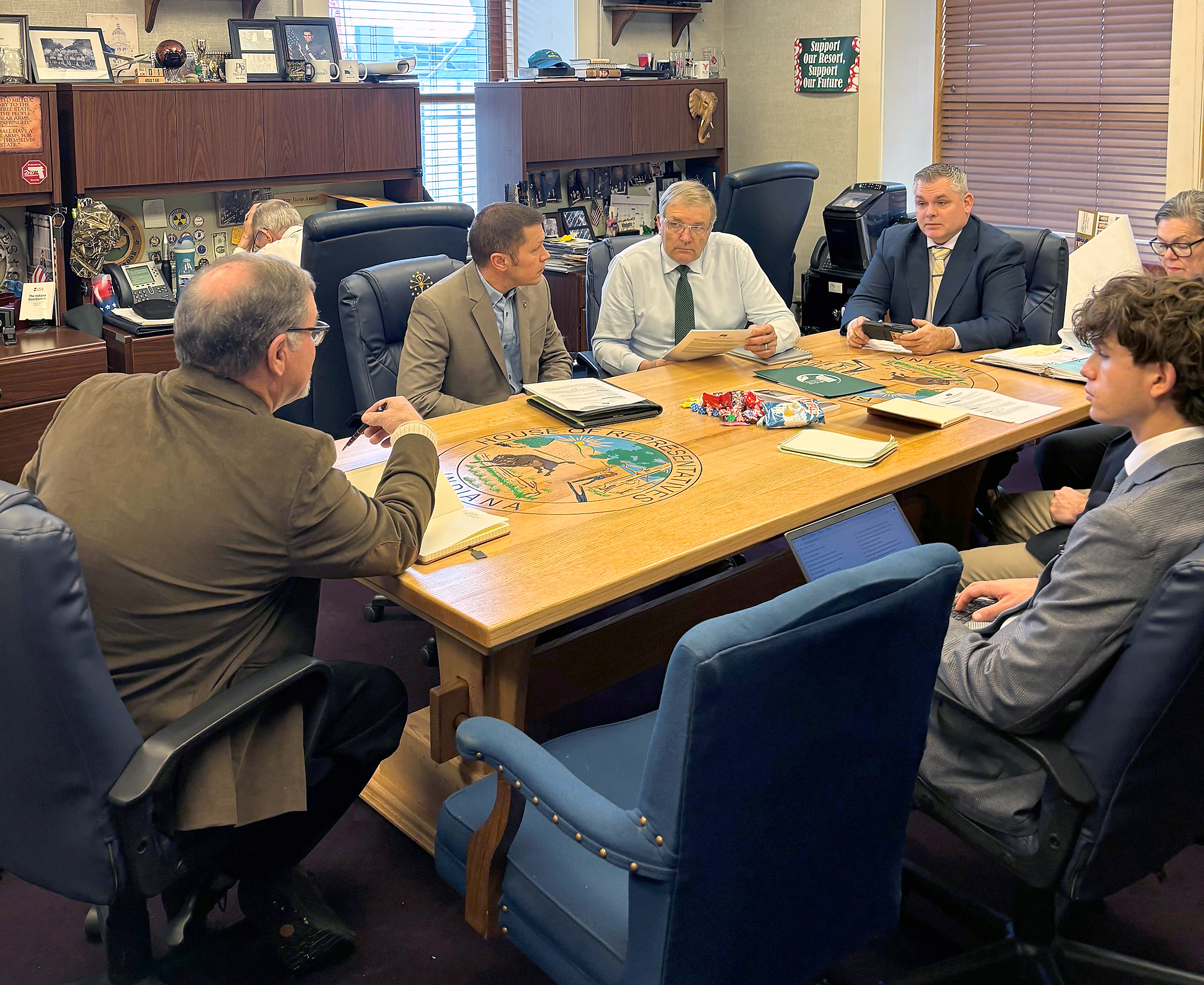
“This was a truly unique legislative session for Indiana across the board, and the fastest I’ve experienced in my decades of advocating for agriculture at the Statehouse” said INFB President Randy Kron. “Losing two weeks off an already short session meant that bills moved through quicker than they should have. We probably tried to kill more bills than we tried to promote, and that’s not normal.”
Kron credits the INFB public policy team’s diligent lobbying efforts for making sure “bad legislation” didn’t slip through the cracks and for activating the impactful grassroots of farmer members around the state to engage with their legislators on priority issues.
One of those priority issues included protections for agriculture from unauthorized drones. At the start of session, INFB was supportive of House Bill 1064 that included penalties for nefarious drone use over farmland. It died in committee before it reached the second half, but INFB worked to insert that language into several other bills before it ultimately found a home in House Bill 1249. The final version protects against unauthorized drones flying through barns, unauthorized spraying, or drones being used to harass farm animals and damage crops. The crime carries a Class A misdemeanor penalty but is a Level 6 felony if it is a second offense.
Township reform was a hot topic this session, with the House and Senate both presenting bills that would direct smaller townships to merge with other units of government, whether that be other townships or a municipality. Ultimately Senate Bill 270 ended up with a compromise between the two chambers.
“We were concerned about representation for rural communities when engaging in the township reform conversations and making sure our members would still have a voice in local government,” said Katie Nelson, INFB executive director of public policy. “We were happy that the language we ended up with in SB 270 mostly aligned with what we have in our policy book. In other versions of legislation, some rural townships might have been absorbed by larger municipalities that were run by officials they didn’t even get to vote for.”
Among the hundreds of pages included in House Bill 1210, this year’s Department of Local Government Finance (DLGF) bill, were several items INFB worked to pass on behalf of members. Warrick County Farm Bureau members worked with the INFB Statehouse team over the past year to craft language that would clarify certain parameters of the assessment of agricultural land. Also included is the correction of the effective date for the 9% capitalization rate so it applies for an additional year of taxes payable in 2028 as intended in Senate Enrolled Act 1 from last year. That would result in approximately $50 million in property tax relief for 2028.
In mid-February, INFB hosted a new event, Coffee at the Statehouse, where members gathered with lawmakers of both chambers to reiterate priorities for the second half of the legislative session.
“We had a lot of priorities leading up to the start of this session, especially considering the shorter time length we had to work with during a non-budget year,” said Kron. “Thankfully, our members showed up and used their voices at the Statehouse, at Third House meetings in their home districts, and by calling their legislators after receiving our action alerts. That really made a difference. We want to celebrate the success we’ve seen come out of this session for agriculture and rural communities, but our members can be sure we already have our eyes on next year’s budget session and will be laying that groundwork now for future legislation.”
Contact Editor
Contact Editor
Robert Herrington
(317) 692-7871
P.O. Box 1290 Indianapolis, IN 46206


