The Hoosier Farmer
Land Use & Zoning School
Apr 15, 2026 by Robert Herrington
Indiana Farm Bureau hosted its 5th Annual Land Use & Zoning School in early March. The virtual seminar was offered free of charge for INFB members, courtesy of the Indiana Agricultural Law Foundation.
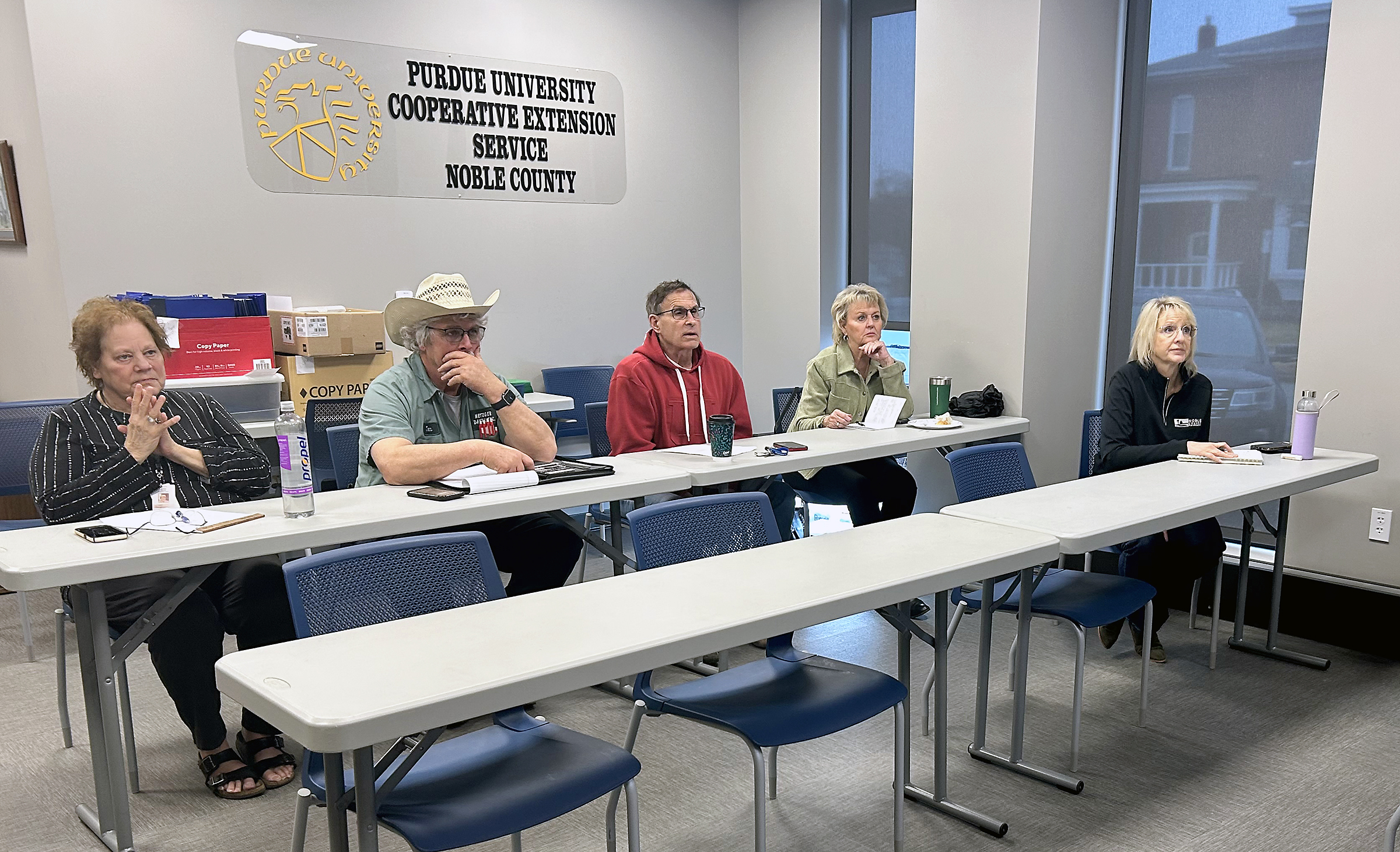
INAgLaw Director John Shoup hosted the insight into policy updates, regulatory challenges, and legal considerations for landowners and those involved in agricultural land use.
“It’s really important for landowners and farmers to learn about some of the unique facets of agriculture as it relates to zoning and land use. We also have a number of county officials and attorneys that attended the program and it’s a great opportunity to educate them on the applications of our zoning and land use laws to specific agricultural situations,” he said. “Our attorney presenters do this every day. Their engaged in it and have a lot of experience in dealing with the very issues they are talking about in the real world.”
INFB Public Policy Director Katie Nelson set the background for the program by providing a recap of the 2026 legislative session and discussing any potential land use statutory changes that occurred at the Statehouse.
“There was a lot about land use – a lot about economic development, about where things should be sited, local control and home rule. That was definitely one theme of session this year,” Nelson said.
Nelson shared the conversation around the state is how to balance economic development, emerging energy, data centers and technologies – where should those be sited, what are those considerations, how local units of government play into this and what kind of control they get to have over this process?
“We didn’t see a large statewide siting bill this year, there were pieces that went into other bills, but I think that is something we could definitely see come down the pipe,” she said. “For Farm Bureau, property rights and local control are the top two issues that we will never stray from. Those are the top considerations for us as we look towards the future. We’ll be there to fight those issues and find the best policy for our members going forward.”
Attorney Brianna Schroeder of Janzen Schroeder Ag Law addressed the challenge of increasing competition for land and resources, especially in rural areas.
“We see this competition rear its head in zoning hearings as local boards consider land use issues such as data centers, renewable energy and digesters, to name a few. In some ways, these modern technological developments are like more traditional agricultural developments that have received pushback in the past, such as confined feeding operations and conversion of land from one agricultural use to another,” she said. “We all want access to high-speed internet, clean energy, affordable milk and safe protein sources, but the question of where to locate these necessities continues to be relevant. The rise of artificial intelligence is making the technology needs more urgent.”
Purdue Professions Dr. Roberto Gallardo and Dr. Indraneel Kumar provided a summary of Indiana's current and future infrastructure needs, with an emphasis on how these needs affect the agricultural and rural sectors. Shoup said the INAgLaw Foundation has been involved in cases involving fiber optic lines, stormwater and roads.
“One of the thoughts we had about taking a look at rural infrastructure is often that these infrastructure improvements result with imminent domain,” he said. “We wanted to take a snapshot of where we were at as a state.”
Attorney Alan Townsend of Bose McKinney & Evans said eminent domain is the legal process whereby a condemning authority, usually a governmental body, agency or utility “takes” private property for public use, which triggers a constitutional requirement of “just compensation” payable to the property owner. This process often impacts rural and agricultural land.
To watch the webinar, visit infb.org/events/webinars-and-recorded-calls.
“It’s a great program and we look forward to continuing it in the future as competition for land resources, particularly rural agricultural land continues to evolve,” Shoup said.
Contact Editor
Contact Editor
Robert Herrington
(317) 692-7871
P.O. Box 1290 Indianapolis, IN 46206


